 Organizing an exhibition during the Venice Biennale in 2026 offers access to a significant and dynamic art environment. Venice’s historic architecture, unique urban structure, and global profile provide both opportunities and specific challenges. For those planning to showcase work or coordinate cultural projects during this period, it is essential to balance creative goals with practical requirements, including compliance with local regulations. This guide highlights key factors involved in exhibiting in Venice—from venue selection and budgeting to timelines and examples—to support thorough project preparation.
Understanding Venice’s exhibition ecosystem
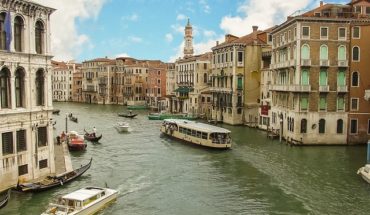
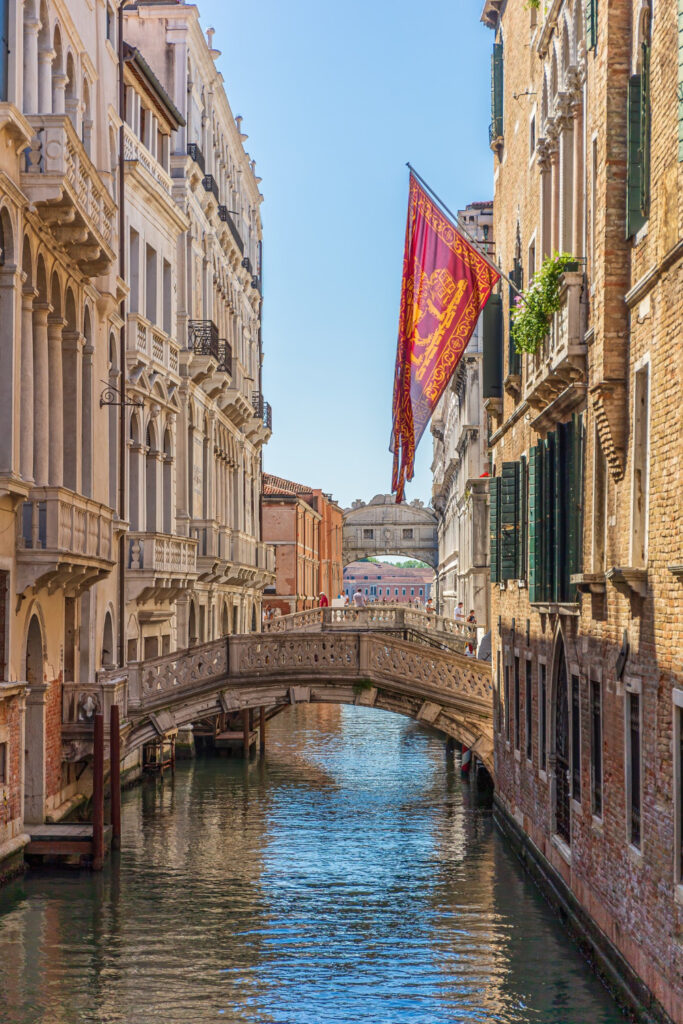
Venice is widely recognized as a major center for contemporary art exhibitions, particularly during Biennale years. The event encompasses national pavilions, a main curated exhibition, official collateral events, and a wide range of independent initiatives. The city’s layout—built around canals rather than conventional roads—and its status as a tourist destination influence the context for staging exhibitions.
Venue costs, logistics, and staffing expenses tend to be higher than in many other cities due to high demand and the city’s particular infrastructure. Exhibiting in Venice requires careful attention to local guidelines regarding venue types, permitted durations, and necessary authorizations. Understanding these interconnected aspects is crucial for anyone planning to present artistic or cultural projects during the Biennale’s busy schedule.
Practical steps for planning your Biennale exhibition
Planning an exhibition in Venice should ideally begin 12 to 24 months ahead of time. Securing a venue early is critical, as space is limited and rental prices typically increase during the Biennale. Depending on your project, you may explore official channels—such as national pavilions or collateral events, which involve formal applications and larger budgets—or consider independent projects that offer more flexibility but may receive less automatic visibility.
Budgets need to account for venue rental, transportation (often by water), installations within historic settings, insurance, staffing, and promotion. Sources like exhibit in Venice offer detailed guidance on budgeting, scheduling, permits, and local logistics tailored to various types of projects. Being familiar with these aspects helps ensure compliance with local requirements and reduces the likelihood of logistical issues.
Applying best practices from recent exhibitions
Reviewing previous Biennale editions can provide valuable insights for your project planning. Many organizers have found it useful to collaborate with partners to share both costs and administrative responsibilities. Academic institutions have participated through official channels as well as independent spaces when presenting research-based projects. Collaborative approaches can help artists engage Venice’s diverse audiences while managing resources more efficiently.
Adapting installations for historical venues usually requires specialized knowledge and collaboration with logistics providers who understand local conditions. Arranging accommodation for artists and staff during peak periods is another frequent consideration. By learning from earlier experiences and consulting established resources, you can tailor your strategy to fit both your objectives and the practical realities of exhibiting in Venice.